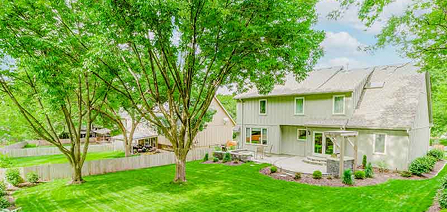
Tulsa clay and heat reward the right planting decisions
Tulsa has a long growing season that often runs from late March into early November, which means your beds are visible and working for much of the year. Expansive clay that swells after rain and contracts into cracks during dry spells stresses root systems in ways most standard nursery plants aren’t built for. Pair that with sustained summer heat and humidity, and the species that thrive here are a specific group.
A planting and bed installation designed for your property puts those species in properly prepared ground, so your beds carry color through the full extended season.
Clay density, drainage patterns, and sun exposure are assessed across planned bed areas. Tulsa’s clay behaves differently when wet versus dry, and that movement shapes how beds are built and which plants go where.
Plant Selection
Plants are chosen for heat, humidity, clay, and the long exposure window. They are structured so something is always coming into form as something else transitions, keeping your beds active from early spring through late fall.
Professional Bed Construction
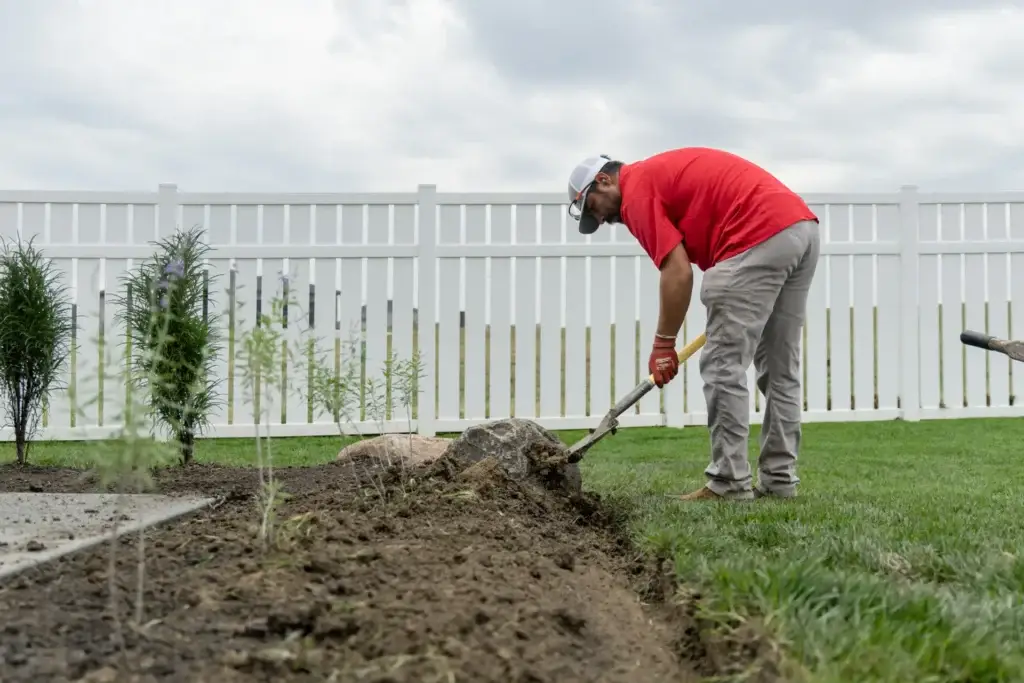
Soil is amended to create a planting zone where roots can develop without being crushed by contracting clay. Drainage is corrected where needed, and bed profiles shed water during heavier rain events.
Installation for Long-Term Growth
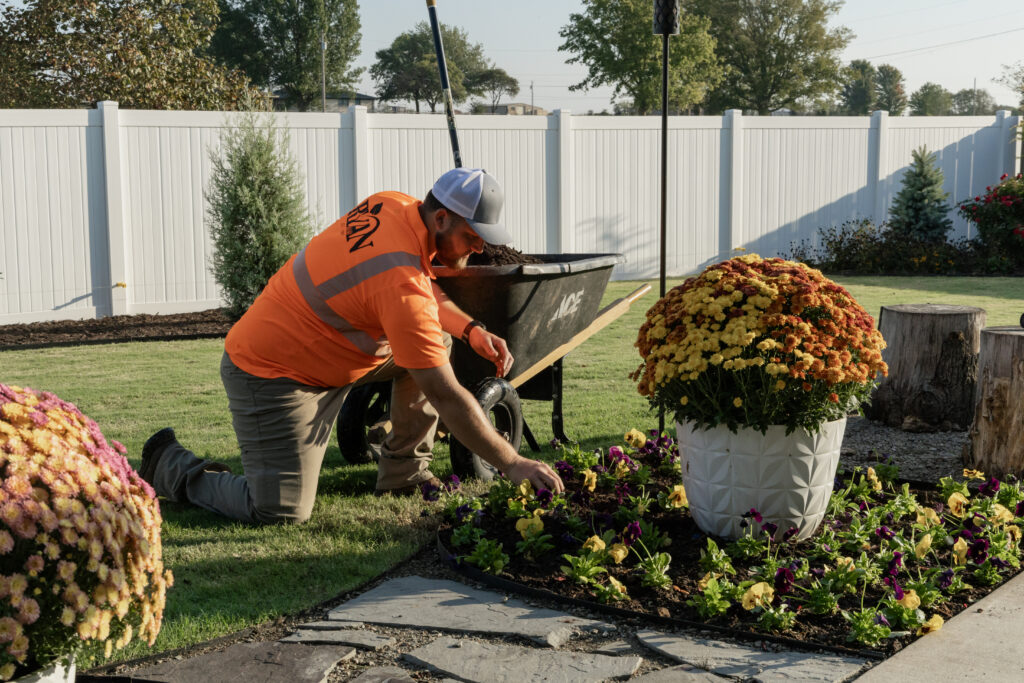
Plants are installed at the right depth and spacing, with mulch applied to keep root temperatures down through the hottest months. The layout leaves room for full maturity over the following seasons.
How it works
Lawn Inspection and Consultation
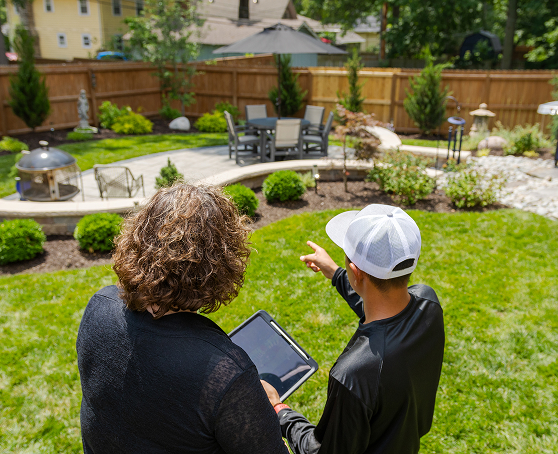
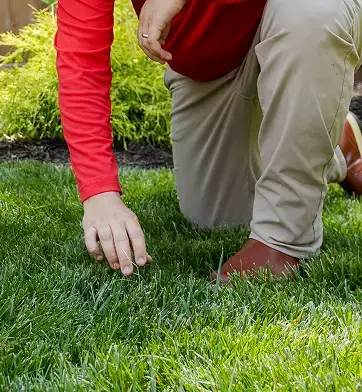
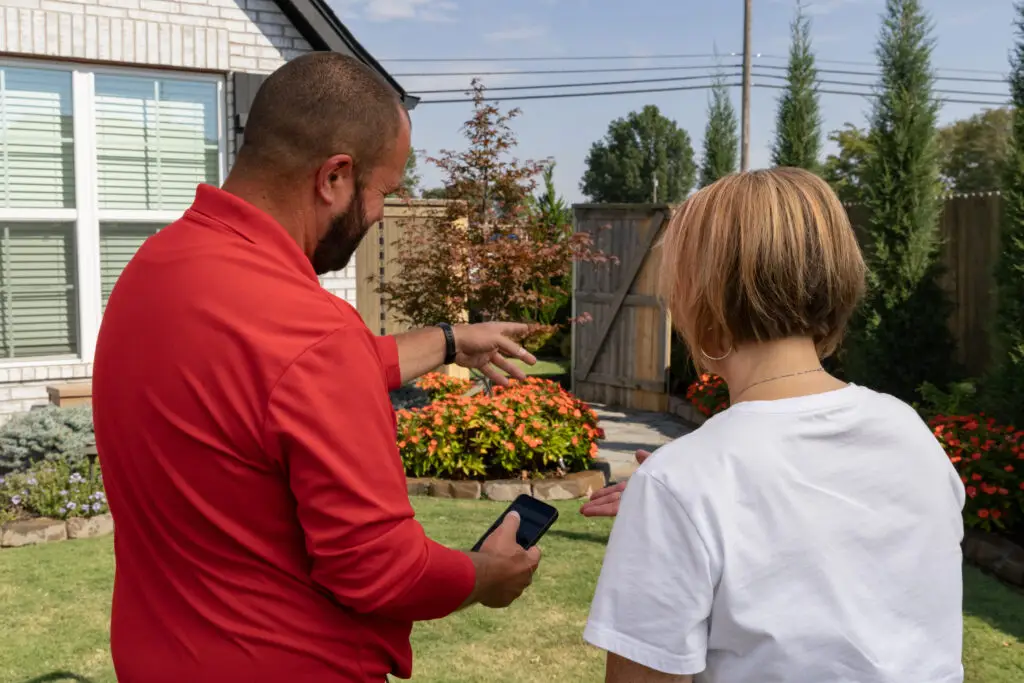
Your dedicated RYAN Pro begins with a thorough inspection of your lawn, evaluating turf type, soil condition, and local climate to understand what your yard needs to thrive. (This could be a good place to add details about soil testing or evaluation methods.)
Personalized Fertilization Plan
Spring Pre-Emergent and Fertilizer
Targeted Weed Control
Mid-Season Monitoring
Fall Fertilizer Application
Winterizer Fertilizer
Ongoing Support
Dedicated landscaping pros
What the extended Tulsa season means for your beds
In Tulsa, your beds are on display from March into November, so weak plant choices or poor bed construction show during those long, hot months.
When the plantings are right and the ground is properly prepared, you get a landscape that outperforms what shorter-season cities can achieve. More growing time means more color, more transitions, and more return from every plant in the ground.
“I’ve used Ryan Lawn & Tree for years. Three different houses. Always happy with their knowledgeable, thorough service. The team does a great job.”
Jason C.
“Always very professional and really have gotten my lawn looking great again!!”
Jennifer W.
“We used Ryan Lawn & Tree to set up flowerbeds, four new trees, and five shrubs. All of the plants were extremely healthy and nice-looking. The team was extremely professional and a joy to work with. I strongly recommend them and will be using them again in the future.”
Clay that swells and shrinks with moisture can crush root systems and shift bed edges. Bed construction uses improved soil and drainage to protect plantings from that movement.
Varieties chosen for sustained heat and humidity hold their foliage and color through July and August. Proper mulching and soil prep also reduce heat stress at the root zone.
Fall is one of the best windows here. Cooler air combined with still-warm soil creates strong root development conditions. Plants installed in the fall often outperform spring installations.
The first growing season requires supplemental watering and periodic weed management. After that, well-chosen species settle into a low-maintenance routine.
Both. Renovation of underperforming beds is common and often involves correcting soil preparation and replacing plants that weren’t suited to the conditions.
Even though Tulsa winters are milder, fall cleanup removes the accumulated debris and spent growth from a long season. That material left sitting through winter creates issues for spring emergence and can harbor fungal problems.
Yes. Leaf removal is part of every fall cleanup. Leaves pressed into beds trap moisture and create conditions for fungal growth, so clearing them before winter matters in Tulsa’s humid climate.